Vessel Types
Vessel Types and Marine Applications
Comprehensive Solutions for Diverse Vessel Types
“Vessel Types and Marine Applications” introduces a flexible, technology-agnostic platform designed to support a wide spectrum of marine applications, from advanced monitoring and control to safety, efficiency, and digitalization systems. Engineered for deployment across multiple vessel types, the solution scales from coastal cargo ships and high-capacity passenger ferries to complex offshore and specialized units. By combining robust marine-grade hardware with cyber-secure software architectures, it delivers reliable performance in harsh maritime environments while supporting data-driven decision-making for owners, operators, and technical managers.
Operational Reliability, Safety, and Regulatory Compliance
The solution is built around core maritime priorities: operational reliability, navigational and occupational safety, and strict regulatory compliance. For commercial fleets, it supports continuous condition monitoring, alarm management, and event logging to reduce unplanned downtime and improve incident traceability. Integrated safety functions help operators comply with IMO, SOLAS, MARPOL, and class requirements, while configurable reporting tools streamline documentation for flag states, port state control, and vetting inspections. Across all vessel types, the platform enhances situational awareness, standardizes operating procedures, and supports safe, repeatable operations in demanding sea states and congested waterways.
Fuel Efficiency and Lifecycle Cost Optimization
Designed for long-term fleet performance, the system enables precise tracking of fuel consumption, emissions, and propulsion efficiency across different marine applications. Advanced analytics correlate engine load, hull condition, weather, and routing data to identify optimization opportunities and support energy-efficiency measures such as EEXI and CII compliance. By enabling predictive maintenance, spare-part planning, and optimized dry-docking intervals, the solution reduces lifecycle costs while extending the service life of critical shipboard systems. Owners can benchmark performance across cargo and passenger vessels, as well as offshore and specialized units, using a unified data model and standardized KPIs.
Coverage Across Cargo, Passenger, Offshore, and Specialized Units
The platform is intentionally generic yet configurable, making it suitable for a broad range of vessel types and marine applications. In the cargo and passenger vessels segment, it supports safe navigation, cargo handling, hotel load management, and passenger comfort systems. For offshore and specialized units, including OSVs, PSVs, construction vessels, drillships, and research vessels, it supports dynamic positioning interfaces, mission equipment monitoring, and complex power-management schemes. This cross-segment approach allows operators to standardize technology, training, and support contracts across mixed fleets while still tailoring functionality to each vessel’s operational profile.
Integration with Existing Shipboard Systems
The solution is designed for seamless integration with existing shipboard systems, minimizing retrofit complexity and maximizing data consistency. Standard marine communication protocols and interfaces enable secure connectivity to bridge systems (navigation, radar, ECDIS, DP), engine room equipment (main engines, auxiliaries, propulsion drives), automation and power-management systems (IAS, PMS, ballast, cargo handling), and onboard communication networks (VSAT, 4G/5G, LAN/Wi-Fi). This integrated architecture ensures that data from all critical subsystems is aggregated, validated, and made available to onboard operators and shore-based teams, forming a robust digital backbone for current and future marine applications.
Advanced Maritime Solution for Commercial Cargo and Passenger Vessels
General Cargo Vessels: Versatility and Port-Centric Operations
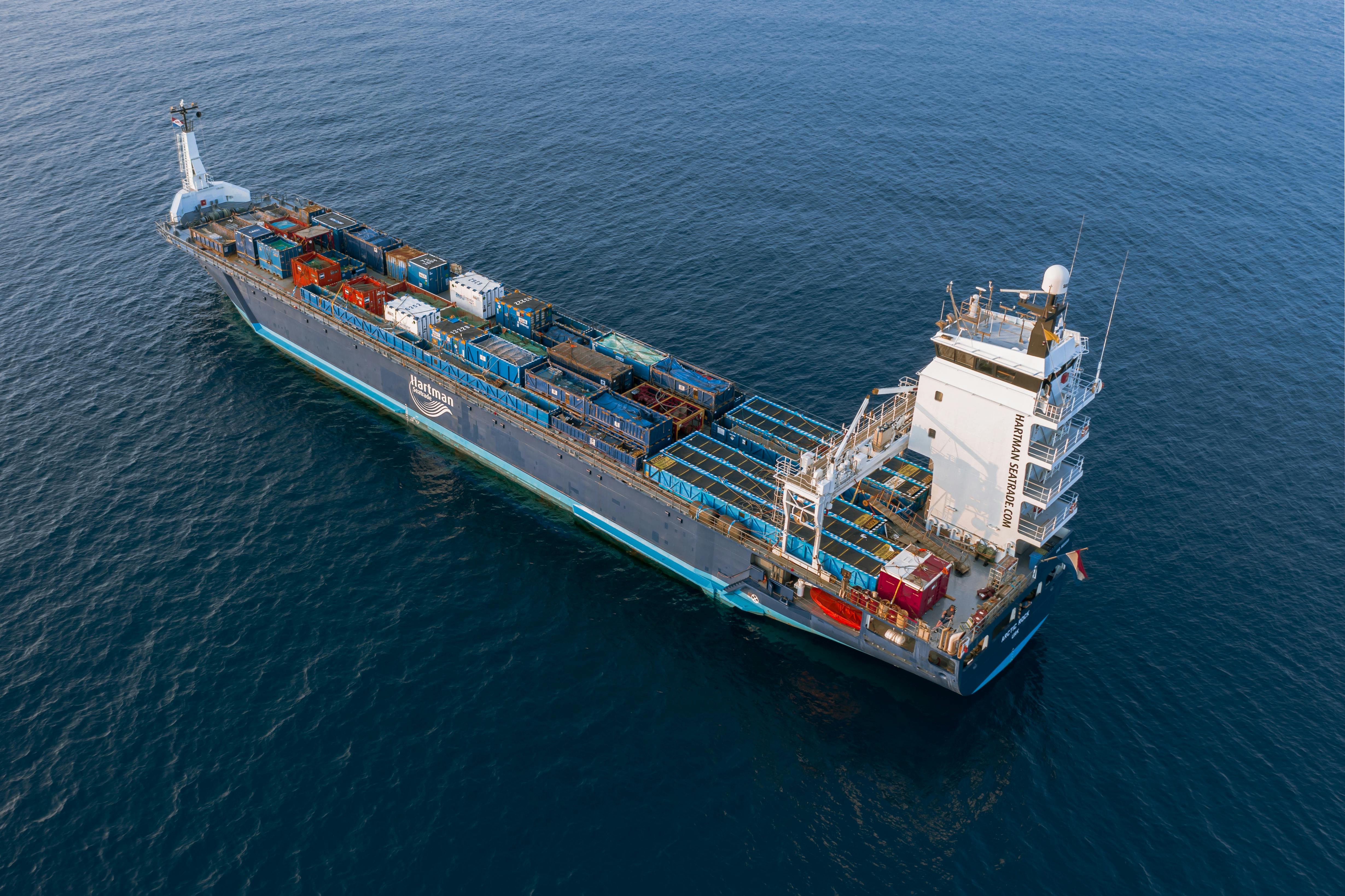
General cargo vessels operate on highly variable trade routes, handling mixed and often non-standardized cargoes. Their operational profile is defined by frequent port calls, intensive cargo handling, and tight turnaround time constraints. Stability management is complex due to diverse stowage patterns, shifting weights, and partial loads. Our product supports general cargo vessels by integrating with AMS/IAS, propulsion control, and cargo monitoring systems to provide real-time visibility of loading conditions, fuel consumption, and emissions. By interfacing with ECDIS and VDR, the solution captures navigational and operational data, enabling optimized voyage planning, improved safety margins, and better compliance reporting for port state control and charterers.
Container Ships: Schedule Reliability and High-Throughput Cargo Handling
Container ships operate on fixed liner schedules with high-speed transits and demanding port windows. Their operational profile emphasizes schedule reliability, efficient container handling, and strict fuel consumption targets. Technical challenges include stack weight distribution, lashing forces, stability under dynamic loading, and emissions control in Emission Control Areas. Our product delivers value to container ships by integrating with cargo monitoring and terminal planning data, enabling accurate stability calculations and trim optimization. Through connections to propulsion control and AMS/IAS, the system supports slow steaming strategies, engine load management, and predictive maintenance. ECDIS and VDR integration ensures that navigational, weather, and performance data are correlated, allowing operators to reduce fuel burn, minimize delays, and maintain safe under-keel clearance on heavily trafficked container routes.
Bulk Carriers: Stability, Cargo Safety, and Ballast Water Management
Bulk carriers transport high-density cargoes such as iron ore, coal, and grain, often on long-haul voyages with limited port calls. Their operational profile is dominated by loading and discharging cycles that impose significant structural and stability constraints. Key technical challenges include cargo hold monitoring, longitudinal strength, sloshing effects, and strict ballast water management requirements. Our product supports bulk carriers by integrating with cargo monitoring systems, ballast water management systems, and AMS/IAS to provide continuous oversight of tank levels, hull stresses, and stability margins. By linking to propulsion control and environmental monitoring, the solution optimizes speed, draft, and trim for reduced fuel consumption and lower emissions. ECDIS and VDR integration further enhances situational awareness, enabling safer navigation in congested approaches and environmentally sensitive areas.
Ro-Ro and RoPax Vessels: Turnaround Time and Vehicle Deck Safety
Ro-Ro and RoPax vessels combine freight and passenger operations, with frequent short-sea crossings and rapid port turnaround time requirements. Their operational profile involves intensive ramp operations, vehicle deck loading, and strict passenger safety regulations. Technical challenges include vehicle lashing, cargo securing, stability under partial loads, and emergency evacuation readiness. Our product delivers value to Ro-Ro and RoPax vessels by integrating with cargo monitoring, AMS/IAS, and propulsion control to track vehicle deck loads, ramp operations, and power demand in real time. The system supports stability calculations that account for free-surface effects and variable loading patterns. Through ECDIS and VDR integration, operators gain a complete picture of navigational risk, environmental conditions, and operational status, improving compliance with safety management systems and enhancing passenger safety.
Car Carriers (PCTC): High-Density Vehicle Stowage and Fire Safety
Car carriers (PCTC) are designed for high-density vehicle stowage across multiple enclosed decks, often operating on global deep-sea routes. Their operational profile focuses on efficient loading plans, controlled ventilation, and strict fire safety measures. Technical challenges include deck stability, ramp load limits, cargo damage prevention, and monitoring of enclosed spaces. Our product supports car carriers by integrating with cargo monitoring, AMS/IAS, and environmental monitoring systems to track temperature, atmosphere, and deck conditions. By interfacing with propulsion control, the solution optimizes speed and route selection to balance schedule adherence and fuel consumption. ECDIS and VDR integration ensures that navigational data, cargo status, and safety events are recorded and analyzed, enabling proactive risk management and improved reporting to owners and charterers.
Tankers: Crude Oil, Product, Chemical, LNG, and LPG
Crude oil tankers, product tankers, chemical tankers, LNG carriers, and LPG carriers each have specialized operational profiles and stringent safety requirements. Crude oil and product tankers focus on large-volume transport with strict cargo handling, inerting, and emissions control. Chemical tankers manage complex multi-grade cargoes with tight contamination limits and detailed cargo monitoring. LNG and LPG carriers operate with cryogenic or pressurized cargoes, where boil-off gas management, reliquefaction, and propulsion integration are critical. Our product integrates with cargo monitoring, ballast water management, AMS/IAS, and propulsion control to provide a unified view of tank levels, temperatures, pressures, and stability. Environmental monitoring interfaces support emissions tracking, vapor recovery, and compliance with MARPOL regulations. ECDIS and VDR integration allows tanker operators to correlate route, weather, and cargo conditions, improving safety, fuel consumption, and turnaround time at terminals.
Reefer Vessels: Temperature-Controlled Cargo Integrity
Reefer vessels specialize in temperature-controlled cargoes such as fruit, meat, and pharmaceuticals, often on time-sensitive trade lanes. Their operational profile emphasizes cargo integrity, continuous refrigeration, and reliable power management. Technical challenges include maintaining precise temperature setpoints, monitoring multiple holds and containers, and ensuring redundancy in case of equipment failure. Our product delivers value to reefer vessels by integrating with cargo monitoring systems, AMS/IAS, and environmental monitoring to track temperatures, humidity, and power consumption in real time. By linking to propulsion control and ECDIS, the solution supports route optimization that balances transit time, fuel consumption, and cargo quality. VDR integration ensures that any deviations, alarms, or power events are recorded, enabling root-cause analysis and improved compliance with cargo owners’ quality requirements.
Ferries: Short-Sea and Long-Distance Passenger Operations
Short-sea ferries and long-distance ferries operate with high passenger volumes, frequent departures, and strict safety and punctuality standards. Their operational profile includes rapid port calls, complex loading of vehicles and passengers, and variable weather and sea conditions. Technical challenges involve passenger safety, crowd management, stability under mixed loads, and emissions control in coastal and port areas. Our product supports ferries by integrating with AMS/IAS, propulsion control, and environmental monitoring to manage power demand, fuel consumption, and emissions in real time. Cargo monitoring and ballast water management integration help maintain optimal trim and stability during loading and unloading. Through ECDIS and VDR, ferry operators gain enhanced situational awareness, enabling safer navigation in congested coastal waters and more accurate reporting for regulatory compliance and incident investigation.
Cruise Ships: Passenger Safety, Comfort, and Environmental Performance
Cruise ships operate as floating hotels, with complex hotel loads, extensive passenger amenities, and demanding environmental performance expectations. Their operational profile includes long-distance voyages, frequent port calls, and sensitive destinations where emissions and waste management are tightly regulated. Technical challenges encompass passenger safety, hotel and propulsion power balancing, stability with varying tank and stores conditions, and comprehensive environmental monitoring. Our product delivers value to cruise ships by integrating with AMS/IAS, propulsion control, environmental monitoring, and ballast water management systems to provide a holistic view of ship performance. ECDIS and VDR integration ensures that navigational, operational, and environmental data are captured and analyzed, supporting optimized routing, reduced fuel consumption, and enhanced passenger safety. By unifying data from cargo monitoring for stores, HVAC systems, and safety equipment, the solution helps cruise operators maintain high service levels while meeting stringent regulatory and corporate sustainability targets.
Offshore, Workboat & Specialized Vessel Applications
Offshore Supply Vessels (PSV, AHTS)
Offshore supply vessels, including Platform Supply Vessels (PSV) and Anchor Handling Tug Supply (AHTS) vessels, operate in harsh metocean conditions, close to offshore platforms and subsea assets, with stringent dynamic positioning (DP) and station-keeping requirements. The product integrates tightly with DP systems, thruster control, and power management to ensure precise low-speed maneuvering, controlled heading, and safe cargo operations under variable loading. Interfaces to winch and crane systems support anchor handling, towing, and deck cargo transfers with real-time dynamic loading feedback. Advanced situational awareness functions aggregate navigation, motion, and machinery data, while remote monitoring and condition-based diagnostics reduce unplanned downtime and lifecycle maintenance costs.
Subsea Construction Vessels
Subsea construction vessels conduct complex offshore installation, ROV support, and heavy-lift operations in deep water, often in DP2/DP3 configurations. The product provides deterministic interfaces to DP controllers, azimuth and tunnel thrusters, and active heave-compensated cranes, enabling accurate position and attitude control during critical subsea lifts. High-resolution sensor fusion enhances situational awareness around subsea spreads, moonpools, and splash zones. Integrated power management and load-shedding logic maintain system stability during transient loads, while remote monitoring, event logging, and trend analysis support compliance with class notations and facilitate predictive maintenance strategies.
Cable Layers
Cable laying vessels require ultra-precise track-keeping, low-speed control, and continuous tension management in challenging offshore environments. The product interfaces with DP and track-follow systems, propulsion and steering gear, and cable engines to maintain constant lay speed and catenary geometry. Dynamic loading calculations support safe operation of cable tanks, tensioners, and over-boarding equipment. Enhanced situational awareness tools visualize seabed routes, exclusion zones, and weather windows, while integrated power and energy management optimize fuel consumption during long-duration lay campaigns. Remote monitoring and diagnostics help ensure high cable lay uptime and reduce intervention costs.
Dredgers
Dredgers operate in shallow, confined waters with high maneuverability demands and frequent load variations due to hopper filling and discharge cycles. The product provides robust interfaces to propulsion, bow thrusters, dredge pumps, and draghead or cutter ladder control systems. Real-time monitoring of dynamic loading, trim, and stability supports safe dredging operations and compliance with operational envelopes. Integrated control and visualization enhance situational awareness around pipelines, fairways, and port infrastructure. Power management functions handle large transient loads from pumps and jet systems, while remote monitoring and condition-based maintenance reduce downtime in demanding, abrasive environments.
Tugs and Harbor Towage Vessels
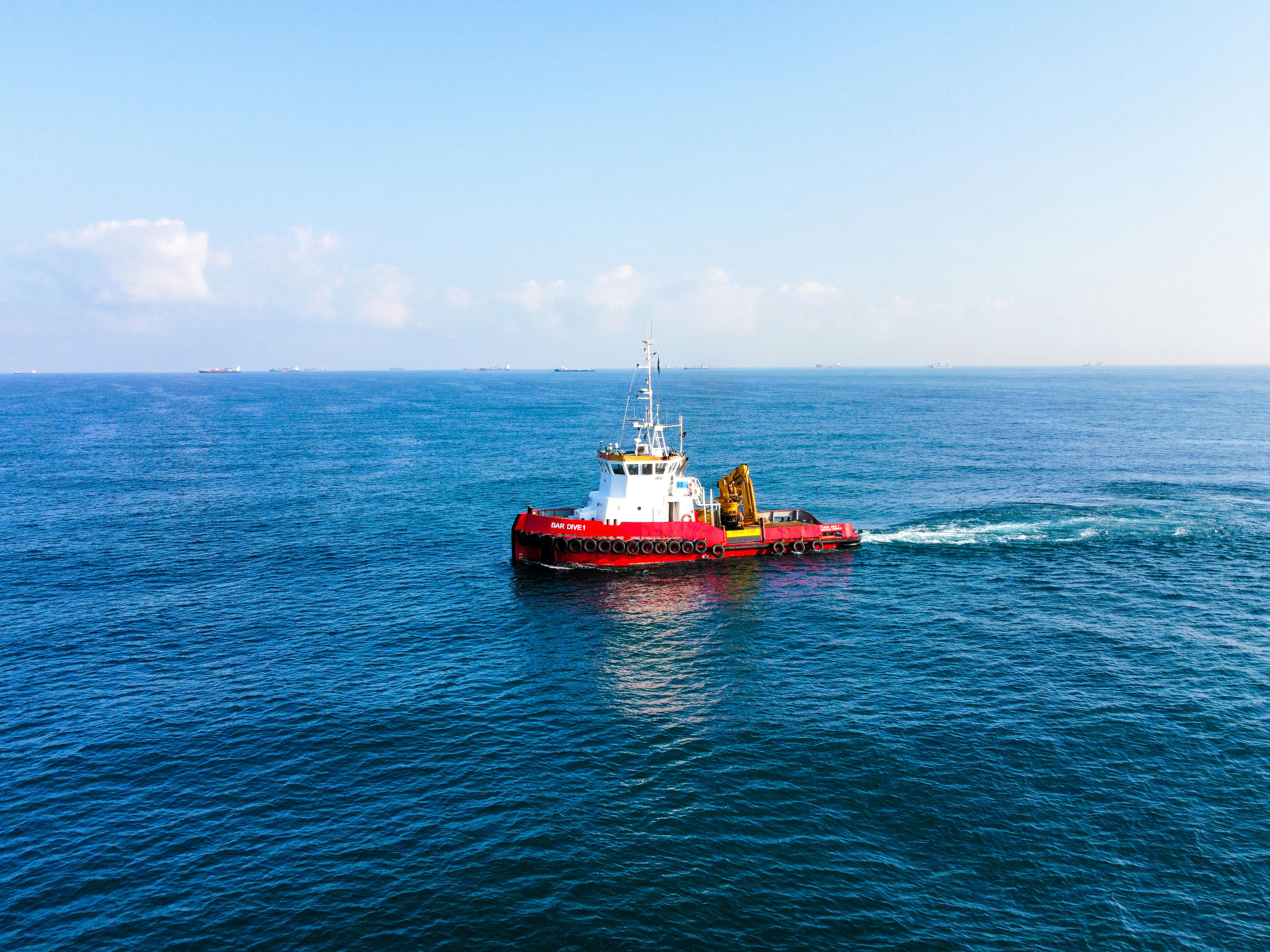
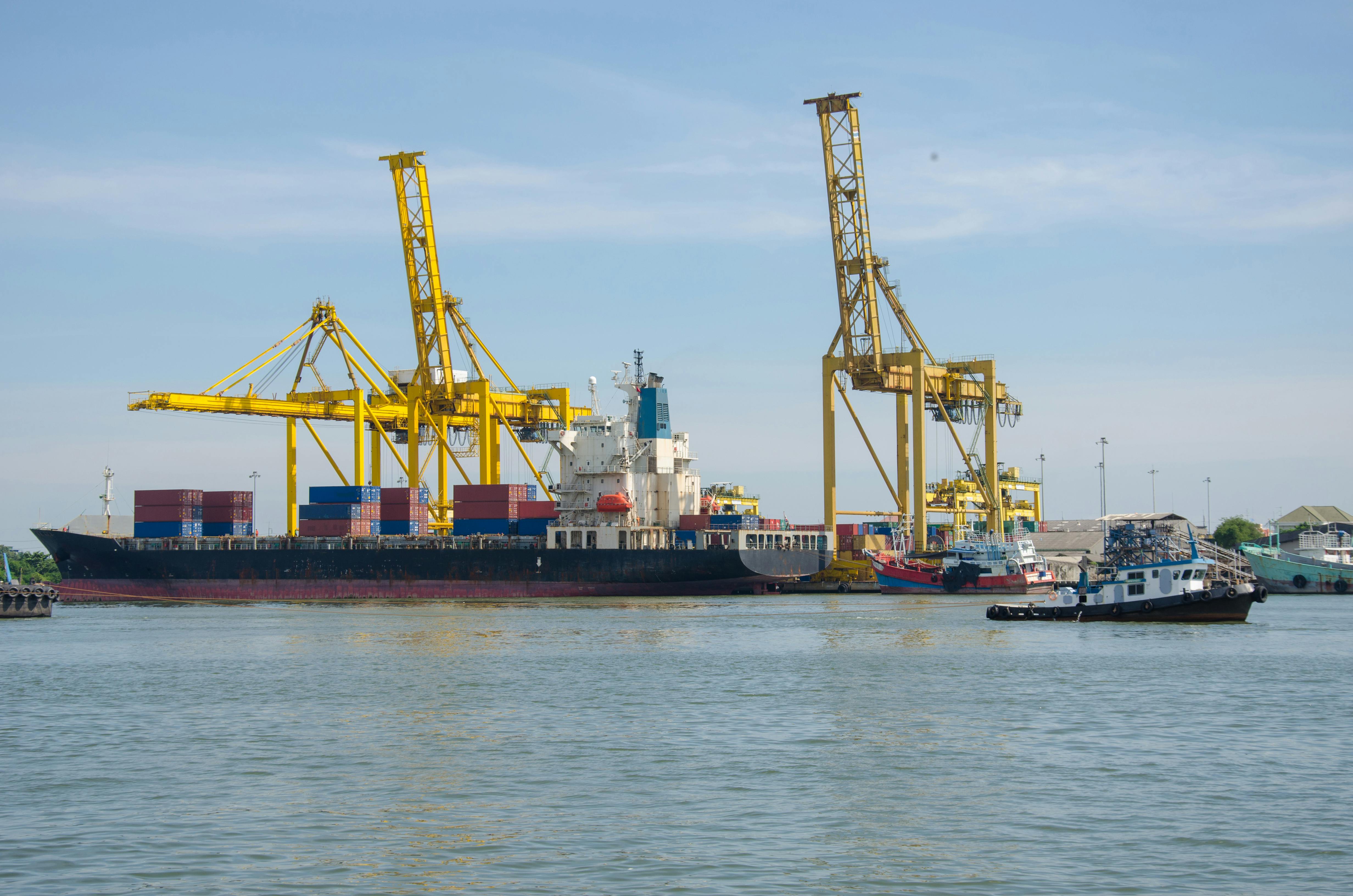
Tugs operate in congested ports and terminals, requiring high bollard pull, rapid response, and extreme maneuverability around large vessels and fixed structures. The product integrates with azimuth thrusters, Voith units, or conventional propulsion, providing precise thrust vectoring and steering control. Interfaces to towing winches and escort systems enable safe line handling and controlled dynamic loading during ship assist and escort operations. Enhanced situational awareness consolidates radar, AIS, and local sensor data for close-quarters navigation. Robust design, event logging, and remote diagnostics support high availability and cost-effective maintenance in intensive harbor duty cycles.
Pilot Boats
Pilot boats operate at high speed in exposed approaches and harbor entrances, frequently in rough seas and low visibility. The product supports precise speed and heading control, optimized track-keeping, and reliable navigation data distribution to bridge systems. Integration with propulsion and steering enables responsive maneuvering during pilot transfer operations alongside large vessels. Situational awareness features provide clear visualization of traffic, weather, and approach channels, while ruggedized components and remote monitoring capabilities ensure high reliability and simplified maintenance for 24/7 pilotage services.
Crew Transfer Vessels (CTV)
Crew transfer vessels serving offshore wind farms and platforms require accurate low-speed control, safe push-on operations, and efficient transits in challenging sea states. The product interfaces with propulsion, bow thrusters, and motion reference units to support controlled approach and station-keeping at boat landings. Integration with DP or motion-compensated gangway systems enhances safety during personnel transfers. Situational awareness tools combine route, turbine position, and metocean data, while power management and remote monitoring reduce fuel consumption and support high availability across demanding CTV duty profiles.
Research Vessels
Oceanographic and research vessels operate globally, from polar regions to tropical waters, with complex scientific payloads and strict noise and vibration constraints. The product provides precise speed and heading control for survey lines, station-keeping for sampling operations, and optimized integration with DP, thrusters, and propulsion. Interfaces to winches, A-frames, and scientific handling systems support safe deployment of instruments and towed arrays, with dynamic loading feedback for critical equipment. Centralized situational awareness integrates navigation, science, and machinery data, while remote monitoring and advanced diagnostics help maintain high mission availability and compliance with research and environmental regulations.
Survey Vessels
Hydrographic and geophysical survey vessels require highly accurate track-keeping, speed control, and motion compensation to ensure data quality. The product integrates with autopilot, propulsion, and motion reference systems to maintain stable survey lines in varying sea states and currents. Interfaces to winches, towed sonar systems, and sensor networks provide synchronized control and data acquisition. Enhanced situational awareness displays survey coverage, safety contours, and traffic information, while power management and remote diagnostics minimize downtime and operational costs during extended survey campaigns.
Coast Guard and Naval Support Vessels
Coast guard and naval support vessels operate in multi-mission profiles, including patrol, SAR, logistics, and training, often in harsh weather and high-threat environments. The product offers robust integration with propulsion, thrusters, and auxiliary systems to support rapid response, precise maneuvering, and controlled station-keeping. Interfaces to mission systems, cranes, and boat handling equipment enable safe launch and recovery operations. Advanced situational awareness fuses navigation, tactical, and sensor data, while secure remote monitoring and health diagnostics support fleet-wide readiness, compliance with naval standards, and optimized maintenance planning.
Patrol Boats
Patrol boats operate at high speed in coastal and inland waters, requiring agile maneuvering, rapid acceleration, and reliable systems for law enforcement and SAR tasks. The product provides precise throttle and steering integration, optimized route and intercept control, and stable low-speed handling for boarding operations. Situational awareness tools consolidate radar, AIS, and local sensor inputs for close-quarters navigation and target tracking. Ruggedized hardware, event logging, and remote diagnostics support continuous availability and cost-effective maintenance in demanding patrol regimes.
Fishing Vessels
Fishing vessels operate in variable weather and loading conditions, with frequent changes in draft, stability, and power demand due to gear deployment and catch handling. The product interfaces with propulsion, thrusters, and fishing winch systems to support safe trawling, hauling, and gear handling operations. Dynamic loading and stability monitoring enhance safety during heavy weather and high catch loads. Integrated situational awareness improves navigation in congested fishing grounds and near coastal hazards, while power management and remote monitoring reduce fuel consumption and support reliable, cost-effective maintenance over long fishing seasons.
Aquaculture Support Vessels
Aquaculture support vessels operate in nearshore and offshore fish farm environments, often in confined spaces around cages and moorings. The product enables precise low-speed maneuvering and station-keeping through integration with propulsion and thruster systems. Interfaces to cranes, feed systems, and work winches support safe handling of nets, moorings, and equipment, with dynamic loading feedback for critical lifts. Situational awareness tools visualize farm layouts, mooring lines, and environmental conditions, while remote monitoring and diagnostics help operators maintain high uptime and control maintenance costs in corrosive, high-utilization environments.
Inland and River Vessels and Barges
Inland and river vessels, including pushers and barges, operate in shallow, restricted waterways with strong currents, locks, and bridges. The product provides optimized propulsion and steering integration for precise maneuvering, lock approaches, and convoy handling. Interfaces to power management systems support efficient operation under variable loading and draft conditions. Enhanced situational awareness displays fairways, bridge clearances, and traffic information, improving safety in congested inland corridors. Remote monitoring and diagnostics enable fleet operators to centralize maintenance planning, reduce unplanned off-hire, and ensure compliance with inland waterway regulations and emission standards.